
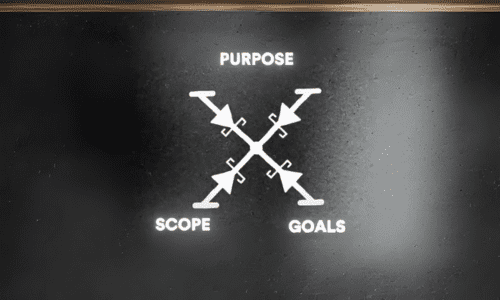
When developing a new product, you should always go through three kinds of prototypes. I’m talking about specific kinds, each with a different purpose, scope and goals associated with it.
1. The Feasibility Prototype: Can it work?
The first is a feasibility prototype. It’s rough, simple and fast and answers just one question. Can this work? Don’t worry about polish, don’t worry about mock ups. This is about proving the core idea and the technology behind it.
2. The Concept Prototype: Will people use it?
Number two is a concept prototype. This is about understanding if people will actually want this. This is where you start testing usability, start getting validation on if the problems that users have are being solved, and understand what major shifts you might need to make before you go any further where you can show users what the product will probably do, how it will behave. The focus here is not manufacturability. It’s not on minimizing cost. It’s just about getting the core functions right and making sure people actually want to use them.
3. The Refined Prototype: Is it ready to scale?
Number three, and the last type is what we call a refined prototype. Now, you might have many versions between the concept prototype and the refined prototype, but by the time you get to this point in the project, there should be no surprises. Every requirement should be ticked off. Users should have said to you, yes, I would buy this product and yes, I would use this product. Manufacturers and the App Store and any other production grade stakeholders have said, yes, this is appropriate to scale up. That’s where you can now start investing in tooling, production activities and even marketing.
Now you can combine these prototypes to save time and cost, but doing this is just a trade off and it comes down to how you assess risk. If the core technology in the product is straightforward, maybe jump straight to concept. However, the safest path and lowest risk path is always to segment these. Take them one at a time, assess review before you move forward.
This sounds very waterfall-minded in a very agile, fast-paced world – but it’s not. It’s risk-based thinking. Even if you run agile, the user stories and priorities you are running off should be guided around these same focal points – feasibility first, concept second, refinement last. A lot of times in software, feasibility and concept are very quick to turnaround, that’s all.
At the end of the day, every company approaches this differently. You can always just go straight for a complete, refined prototype or MVP from Day 1 as your target. But we’ve seen across 100+ projects that if you skip one of these, you could end up building the wrong thing – and when we always build all 3 types, we end up with a valid product. Every time.
View the video: